
When Classy Means Smaller
I asked a question on social media this week that I thought would have a fairly straightforward answer.
What makes a person classy?
The responses were remarkably similar. People talked about kindness, generosity, integrity, dignity, and confidence. They described someone who makes other people feel comfortable and who behaves well whether anyone is watching or not. What fascinated me most, though, was what nobody mentioned. Not one person talked about money, designer labels, or appearance. For a word so often associated with style, everyone instinctively described character instead.
And suddenly I had a new question.
Why did my personal definition of “classy” also include other traits?
If I’m honest, when I imagine a classy person, I still picture someone understated. Someone elegant, gracious, and quietly confident who doesn’t demand attention or take up too much space. Someone who is attuned to invisibly managing the energy in the room. But why is that the image that comes so easily to my mind? Is that simply the version of class I’ve unquestioningly inherited?
My definition contradicts so much of what I believe.
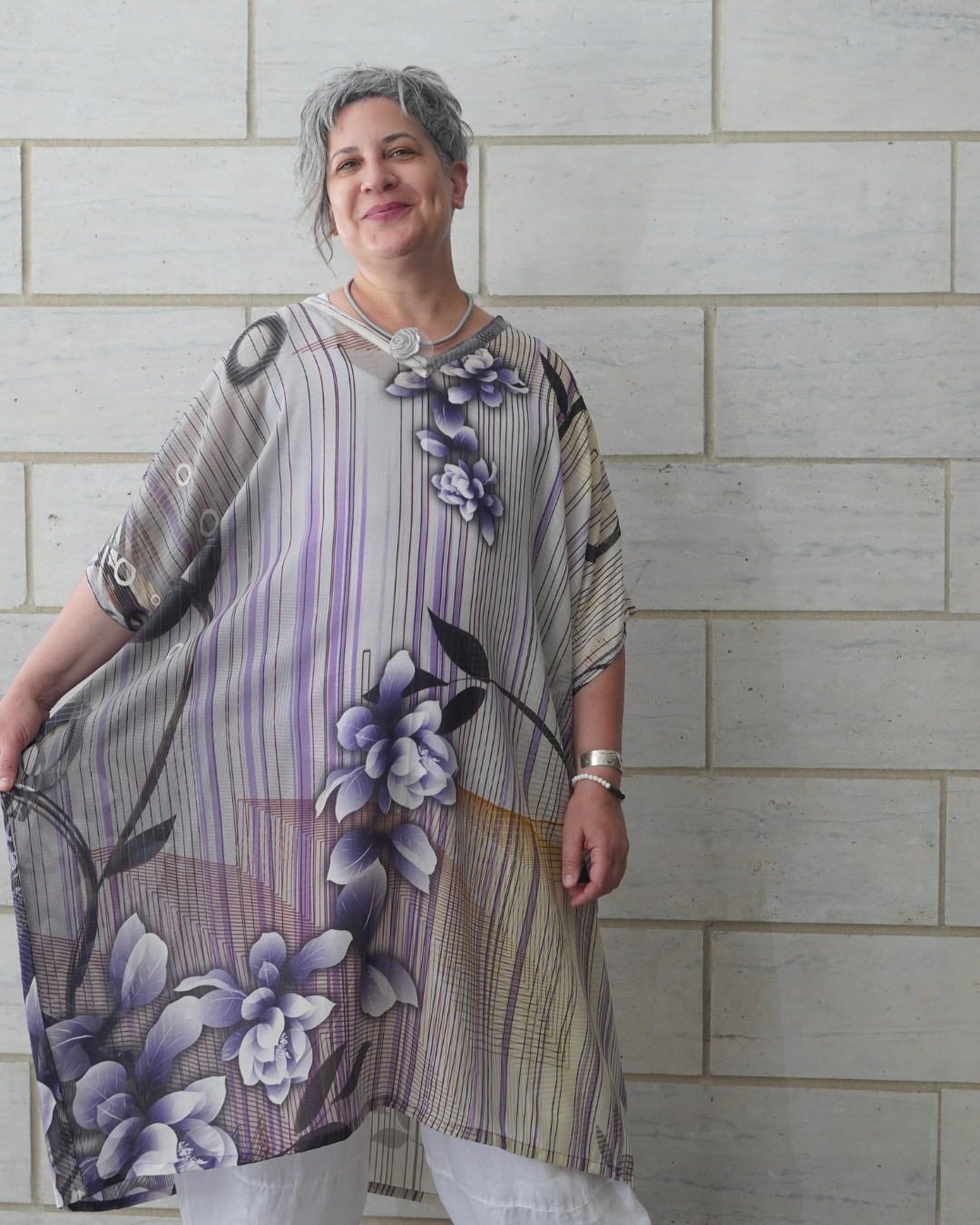
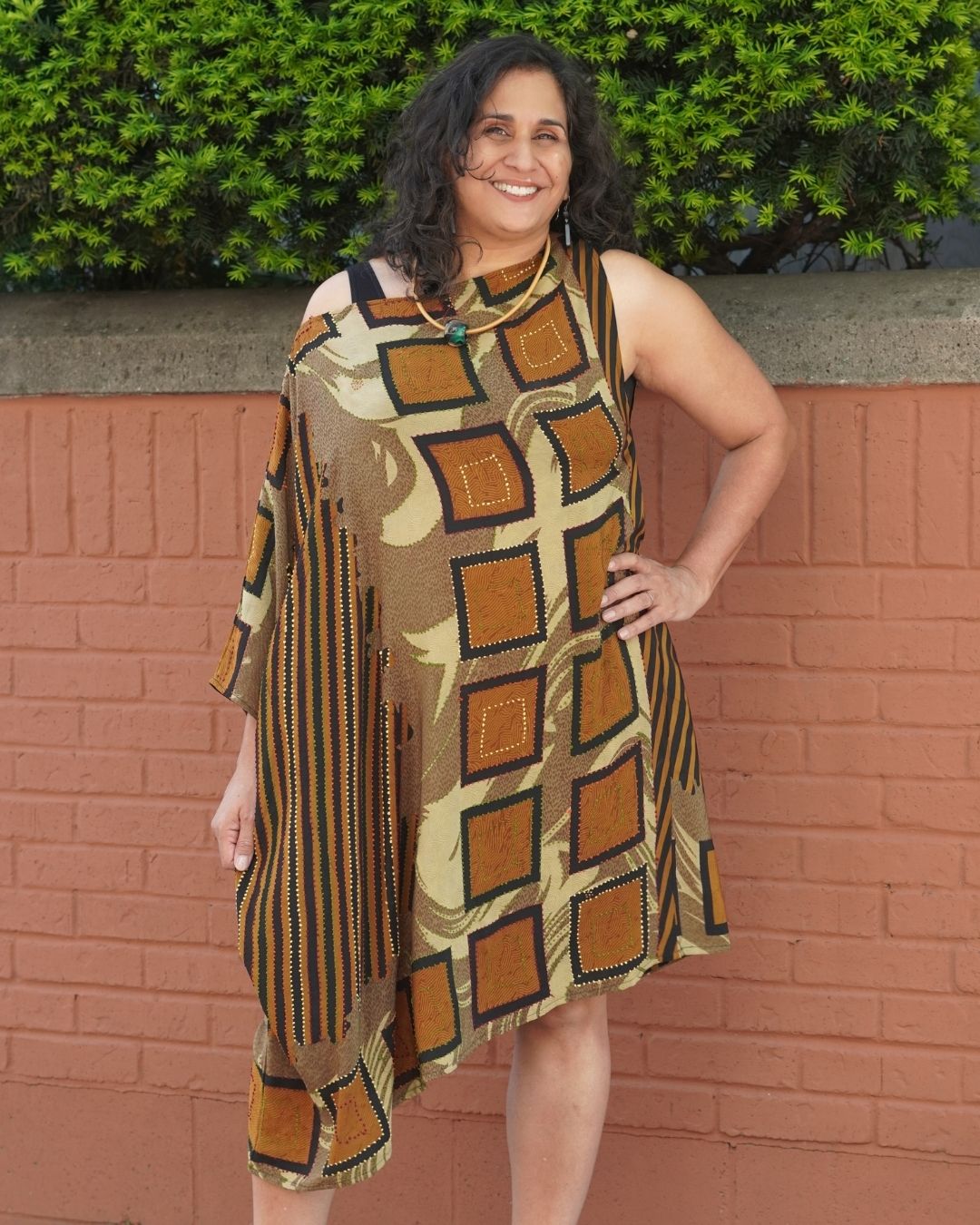
For years, I have encouraged women to stop shrinking themselves, to stop hiding behind black because it feels safer, to stop apologizing for their bodies, and to stop caring so much about what other people think. I want women to wear the bright silk, the dramatic kaftan, and the statement earrings if that is who they are. I want women to feel comfortable occupying space.
So why, when I hear the word classy, do I still picture someone who quietly blends into the background?
I’ve also been thinking about three words that sound remarkably similar but mean very different things: classic, classy, and classist.
Classic is timeless. Classist is about hierarchy, measuring people’s worth by wealth, education, privilege, or social standing. But classy sits somewhere in the middle, and I wonder whether my definition has quietly absorbed ideas that have very little to do with character and much more to do with expectation.
Especially for women.
For generations, women have been praised for being agreeable, accommodating, and quiet. We have admired the woman who never makes anyone uncomfortable, never asks for too much, and never takes up more space than she has been given. She is called ladylike. She is called graceful. She is called classy.
I can’t help wondering whether my definition of “classy” was shaped during a time when women were expected to be quieter, smaller, and more accommodating than men. If that’s true, perhaps it’s worth asking whether that definition still deserves to come with me.
When I actually questioned my beliefs, I realized that some of the classiest people I know are anything but understated. They laugh loudly, wear bright colours, and fill every room with warmth and energy. They certainly take up space, but somehow you never feel that your own space has been diminished by theirs.
I’ve met people dressed in sequins who somehow made everyone around them shine a little brighter, and I’ve met people dressed in the simplest cashmere who suck all the oxygen out of the room. One takes up visual space. The other takes up emotional space.
Perhaps class should never have been about how much space we occupy. Perhaps it’s about what we leave behind in the space we once occupied.
The people I admire most leave others feeling seen, valued, and genuinely interesting. They remember your name. They ask thoughtful questions because they care about the answers. They are far more interested in making a connection than making an impression.
Maybe class is about becoming fully yourself while leaving every person you meet feeling that they, too, have permission to do the same.
I’m still gathering threads on this one, so I don’t have a neat conclusion. I only know that the older I get, the less interested I am in definitions that ask us to erase ourselves in order to be admired. If that’s what we’ve quietly come to mean by “classy,” then perhaps it isn’t class that needs preserving.


Laisser un commentaire
Ce site est protégé par hCaptcha, et la Politique de confidentialité et les Conditions de service de hCaptcha s’appliquent.